
Too many people throw around the term “Black Swan” willy-nilly (a technical phrase for ‘far too quickly without justification’).
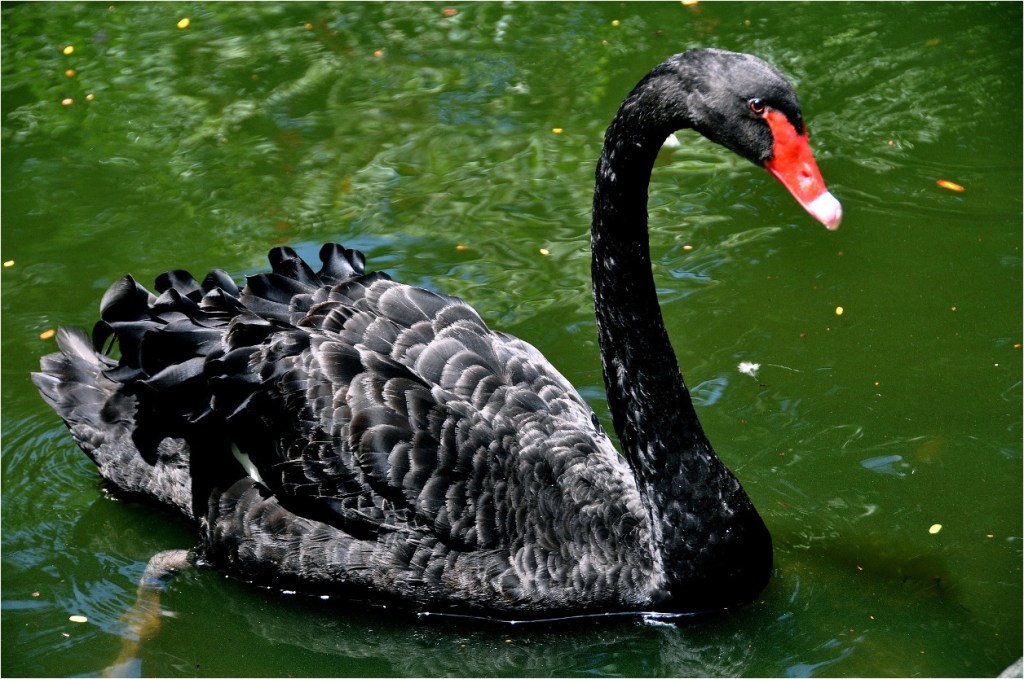
Systemic cyber events will become the norm. These systemic cyber events will all be “white swans”.
I suggest that most cyber attacks are systemic cyber attacks, but currently not with the reach of the CrowdStrike cyber incident.
Too many people don’t realize that corporations – wherever they are based and whatever product, service, or experience they sell – participate in value chains (and also participate in ‘ecosystems’). A systemic cyber event will cascade through the value chain – and among and between all paths of an ecosystem – faster than a hot knife through butter. The situation is not suitable to be modeled; no insurer can get a handle on the systemic cyber losses (of companies, of employees of the attacked company or the employees throughout the ecosystem).
Too many people believe that cyber risks are just another risk in the long history of risks our insurance industry has faced and successfully managed in its extremely long history. They’re wrong.
Each and every one of us must understand that we are essentially living in and working in a cyber risk space that mirrors “The Matrix” (but none of us can bend over to dodge the bullets). Society is becoming a real-time equivalent of The Matrix and generating cyber risks and cyber attacks. In the Cyber Age, there are two types of participants: cyber predators and cyber prey. Note that some of the cyber prey is non-sentient (e.g. NHI, IoT).
The CrowdStrike event (not a cyber attack but a cyber incident) was a wonderful wake-up call aptly demonstrating a taste of what a cyber-attack can do. Systemic cyber risks are essentially uninsurable – and by that I mean that an insurance carrier should never be on the hook to pay every cyber lost dollar of a systemic cyber loss.
And for those “too many people erroneously throwing around the phrase ‘Black Swan’, the Cyber Age is essentially nothing-but ‘Black Swans'”.
In the Cyber Age, Black Swans will become an endangered species because the systemic cyber events they represent will become increasingly more commonplace.

